Most US and Canadian shoppers meet Ayurveda through a brand name before they meet a herb. Himalaya and Dabur are long-established Indian houses, and Kapiva is the modern direct-to-consumer name. Add Patanjali, Organic India, Zandu and Baidyanath and it is hard to know who makes what. This FAQ compares the brands we stock so you can pick the right one for the product you want.
Key facts
- Dabur — Ghaziabad/Delhi, founded 1884; describes itself as having “the largest herbal and natural product portfolio in the world”
- Himalaya Wellness — founded 1930 in Dehradun, headquartered in Bengaluru; single-herb tablets and personal care
- Kapiva — Mumbai, founded 2016, modern D2C brand (KSM-66, shilajit, juices)
- Patanjali (Divya) — Haridwar, founded 2006, mass-market classical formulas
- Organic India — Lucknow, founded 1997, certified-organic single herbs and tulsi teas
- Zandu (1910) and Baidyanath (1917) — classical formula houses
Quick answers
- Which is the best Ayurvedic brand?
- Kapiva vs Himalaya — what is the difference?
- Dabur vs Patanjali — which should I buy?
- Are these brands sold legally in the US and Canada?
- Is Kapiva available in the US and Canada?
- How can I check a brand is authentic and not a counterfeit?
- Which brand should a beginner start with?
Which is the best Ayurvedic brand?
There is no single best — the brands specialize. Choose by what you are buying: classical formulas (Dabur, Baidyanath, Zandu), single-herb tablets with pharmaceutical-style quality control (Himalaya), modern standardized extracts such as KSM-66 and shilajit resin (Kapiva), certified-organic powders (Organic India), or budget classical products (Patanjali). All are established Indian manufacturers; every genuine pack carries the manufacturer’s licence number and Indian address — check for it.
Kapiva vs Himalaya — what is the difference?
Himalaya was founded in 1930; it sells single-herb tablets (ashwagandha, brahmi, triphala, shatavari) and a huge personal-care range, and its labels are among the clearest in the market. Kapiva is a 2016 start-up built for online shoppers: it leads with premium formats — KSM-66 ashwagandha capsules, shilajit resin, A2 ghee, cold-pressed juices — and clean modern packaging. If you want a standardized extract in a capsule, Kapiva; if you want a classic tablet from a long-established maker, Himalaya.
Dabur vs Patanjali — which should I buy?
Both make the big classical products (chyawanprash, triphala churna, honey, hair oils). Dabur is the older and larger company, with an international presence and a sugar-free chyawanprash. Patanjali is newer, cheaper, and popular in India for its Divya range of classical tablets (vati). For a first purchase we usually point customers in the US and Canada to Dabur; Patanjali is good value if you already know the formula you want.
Are these brands sold legally in the US and Canada?
Yes, when sold as food supplements with compliant labeling and without medicinal claims. KantiGlow sources directly from India and ships every order from India, and removes any product that contains an ingredient not permitted under North America’s novel-foods rules — so what is on our site is what can lawfully be sold here.
Is Kapiva available in the US and Canada?
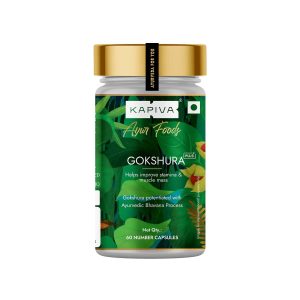
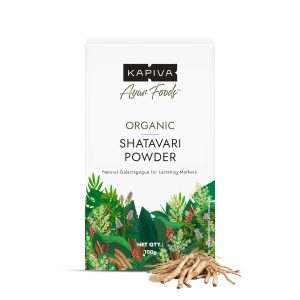
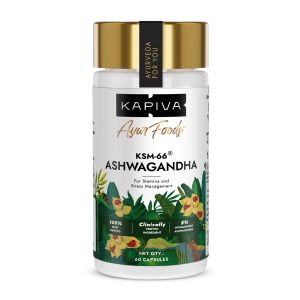
Yes. KantiGlow stocks Kapiva’s core range, dispatched from India within 24–72 hours with US and Canada shipping in 7–15 business days: KSM-66 ashwagandha, shilajit, gokshura, shatavari powder and more. Browse the range below.
How can I check a brand is authentic and not a counterfeit?
Buy from a US-registered retailer (we are ICOMCHAIN LLC, , Manchester); check for a batch number, manufacture date and the manufacturer’s Indian address on the pack; look for the brand’s hologram or QR code where used (Kapiva, Dabur and Himalaya all use them); and be wary of marketplace listings with no seller identity.
Which brand should a beginner start with?
For a first ashwagandha, Himalaya Organic Ashwagandha tablets or Kapiva KSM-66 capsules. For triphala, Himalaya or Organic India. For chyawanprash, Dabur (Indian grocery stores in North America sell the jar; we stock chyawanprash tablets). For shatavari, Kapiva powder or Himalaya tablets. Our guide to authentic Indian Ayurvedic brands goes brand-by-brand in more depth.
Shop related products at KantiGlow
- Kapiva KSM-66 Ashwagandha Capsules
- Kapiva Gokshura Capsules
- Kapiva Organic Shatavari Powder
- Himalaya Organic Ashwagandha 670mg
- Himalaya Triphala Capsules
- Dabur Chyawanprakash Sugar Free
- Dabur Triphala Churna
- Organic India Triphala Capsules
All products are authentic Indian brands, sourced directly from India and dispatched within 24–72 hours (US and Canada shipping typically 7–15 business days).
Related guides
Food supplements are not a substitute for a varied, balanced diet and a healthy lifestyle. Do not exceed the recommended daily dose. Keep out of reach of young children. If you are pregnant, breastfeeding, taking medication or under medical supervision, consult a healthcare professional before use. This guide describes traditional Ayurvedic use and US labeling rules rules; it is not medical advice.
Shop the products in this guide
- Patanjali Ashwagandha Capsules — $2.99
- Dabur Shatavari Tablets 60 — $6.99
- Dabur Triphala Churna Powder 120g — $5.99
- Baidyanath Shilajit Capsules 50 — $10.99
Lab-tested, vegetarian, shipped from India. Food supplements should not replace a varied diet.
Pingback: Is Ayurveda Safe? UK Guide to Testing & Novel Foods | KantiGlow
Pingback: Budget Ayurveda: Full Routine for £25/Month (UK) | KantiGlow
Pingback: Ayurvedic Gift Guide 2026: Diwali & Christmas (UK) | KantiGlow